

Solitaire Ring vs Stackable Rings: Finding the Style That Feels Right
Solitaire Ring vs Stackable Rings: Finding the Style That Feels Right
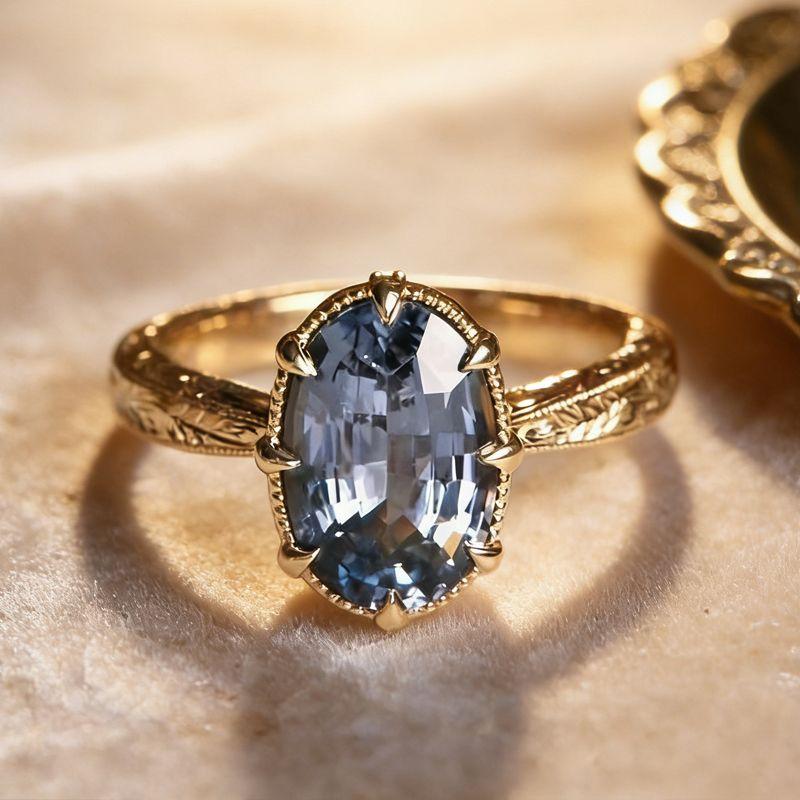
Some rings are designed to hold the eye in one place. Others become interesting through layers, contrast, and small details. That is the simplest way to understand the difference between a solitaire ring and a stack of bands.
A solitaire gives one stone the leading role. Stackable rings offer more room to experiment, allowing different metals, textures, and gemstones to sit together. Neither is limited to a particular occasion, and the two styles can even be worn together.
What Makes a Solitaire Ring Special?
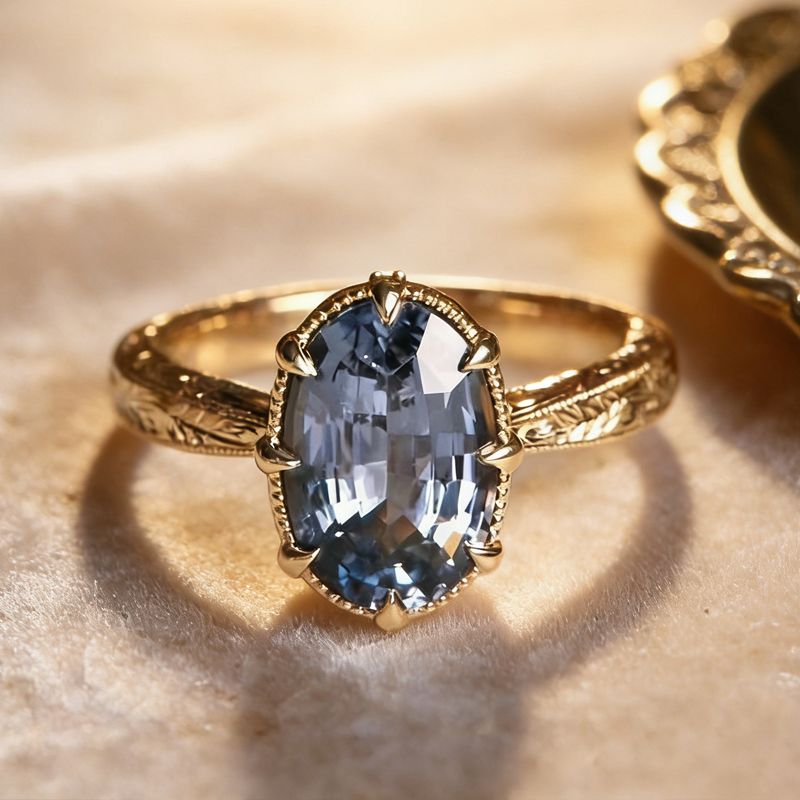
A solitaire ring places a single gemstone at the center of the design. With fewer decorative elements around it, the stone’s shape, proportions, and brilliance become easier to appreciate.
This simplicity is one reason solitaire settings remain a favorite for Engagement Rings. They feel elegant without depending heavily on trends, and they pair well with many wedding-band styles.
The setting can make a noticeable difference to the finished ring. A four-prong setting leaves more of the stone visible and allows plenty of light to reach it. Six prongs create a slightly rounder outline and offer additional support. A bezel setting surrounds the stone with a slim metal border, giving the ring a smooth finish while protecting the gemstone’s edges.
Solitaire rings are not necessarily plain. A tapered band, knife-edge profile, cathedral shoulder, or hidden accent beneath the center stone can add character without taking attention away from the main gemstone.
Why Choose Stackable Rings?
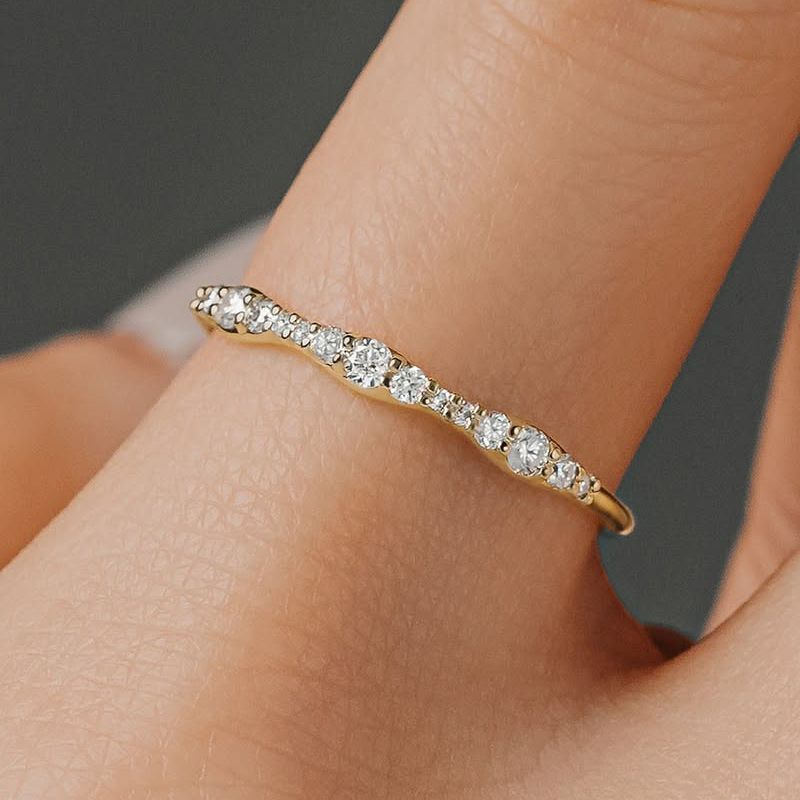
Stackable rings are usually slimmer than traditional statement rings and are made to sit comfortably beside other bands. They may be polished, engraved, twisted, beaded, or set with small stones.
Their appeal comes from flexibility. Two simple bands can create a restrained everyday look, while a combination of pavé diamonds, colored gemstones, and contrasting metals can feel more expressive. The arrangement can also change from day to day.
A stack often grows naturally over time. One band might celebrate an anniversary, another may feature a birthstone, and a third could simply add an interesting texture. Each ring works on its own, but together they tell a more personal story.
Solitaire Ring vs Stackable Rings
The main difference is visual focus. A solitaire directs attention toward one central stone. A stack spreads that attention across several bands.
A solitaire may suit you if you prefer a clean design, want the center stone to stand out, or need a ring that already feels complete when worn alone. It is also easy to coordinate with other jewelry because there are fewer design elements to match.
Stackable rings are better suited to someone who enjoys changing combinations. They make it possible to mix widths, finishes, stone colors, and metal tones without replacing the entire ring set.
There is also a comfortable middle ground. A solitaire can sit at the center of a stack, framed by a curved diamond band on one side and a plain metal band on the other. This keeps the clarity of the solitaire while adding more texture and personality.
Choosing the Right Metal
The metal influences more than color. It also affects durability, maintenance, weight, and the way gemstones appear.
Yellow gold brings warmth to both diamonds and colored stones. It looks particularly natural with vintage-inspired cuts and softly rounded bands. In a stack, combining polished and textured yellow-gold rings creates depth without making the arrangement feel busy.
White gold has a bright, modern appearance. Its pale color blends easily with diamonds, which can make a row of small stones look more continuous. Most white-gold jewelry is rhodium plated and may need occasional replating to maintain its crisp finish.
Rose gold has a soft pink tone created by the copper in its alloy. It works well with romantic solitaire styles and adds warmth to mixed-metal stacks. Pairing a rose-gold band with white gold or platinum is an easy way to introduce contrast.
Platinum is naturally white, dense, and highly durable. Its strength makes it well suited to settings that hold an important center stone. Rather than losing metal when scratched, platinum tends to develop a soft patina over time.
Sterling silver is a practical option for trying new stacking styles at a more accessible price. Its bright surface is attractive, although it can tarnish and usually requires more frequent cleaning than gold or platinum.
Stone Cuts That Work Beautifully in Solitaire Rings
Because a solitaire has no surrounding stones to distract the eye, the center stone’s cut becomes especially important.
The round brilliant cut is prized for its sparkle and balanced shape. It works with almost every setting style and remains a dependable choice for a ring intended to be worn for many years.
An oval-cut stone offers similar brilliance with a longer outline. Its shape can make the finger appear more slender, while its larger-looking surface gives the ring noticeable presence without requiring an elaborate setting.
Emerald-cut stones create a very different effect. Their long step facets produce broad flashes of light rather than intense sparkle. The look is calm, clean, and architectural. Since the open facets make the inside of the stone more visible, clarity is particularly important.
The princess cut combines a square outline with strong brilliance. It feels crisp and modern, although its corners should be protected by secure prongs or a bezel-style setting.
Cushion cuts have rounded corners and a softer silhouette. Depending on their proportions and faceting, they can look romantic, vintage-inspired, or distinctly modern.
Pear and marquise cuts are less conventional choices with elongated profiles. Both can make the finger appear longer, but their pointed tips need a setting that provides enough protection for everyday wear.
Cuts and Settings for Stackable Rings
Stackable rings often use smaller stones set close to the band. Round stones are common in pavé designs because they create an even line of sparkle. Baguette-cut stones bring a straighter, more geometric look and work particularly well in modern stacks.
Pavé settings use small beads of metal to secure closely arranged stones. Very little metal is visible, so the surface appears bright and detailed. Channel settings place stones between two parallel metal walls, producing a smoother profile that is less likely to catch on clothing.
For a more personal stack, diamonds can be combined with sapphires or other colored gemstones. Sapphires are a practical choice for rings worn regularly because of their hardness. Emeralds bring rich color but need gentler handling, especially when worn next to other bands.
It is worth checking how the rings touch one another. A raised stone or rough setting edge can rub against the neighboring band. Well-matched profiles help prevent unnecessary wear and make the stack more comfortable.
Styling a Solitaire Ring
A solitaire already has a strong focal point, so it usually looks best with jewelry that does not compete for attention. A fine chain, slim bracelet, or classic pair of Stud Earrings keeps the overall look polished.
When adding a band, pay attention to the height of the center setting. A high-set solitaire may allow a straight band to sit flush against it. A lower setting may work better with a curved or contoured band.
Matching metals create a seamless appearance, but they are not essential. A yellow-gold solitaire paired with a white-gold diamond band can look intentional when the contrast is repeated elsewhere in the jewelry.
Building a Balanced Ring Stack
A good stack does not need to be perfectly symmetrical. In fact, a small difference in width or texture often makes the combination more interesting.
Start with two or three rings and choose one detail to connect them. This could be a shared metal color, similar stone settings, or a repeated shape. Then add one contrasting piece, such as a twisted band, an engraved ring, or a different metal tone.
Comfort should guide the final arrangement. A wide stack may look attractive but feel restrictive when the fingers bend. Leaving a little visual space between detailed bands can also prevent the design from appearing crowded.
Which One Is Right for You?
A solitaire ring is a natural choice if you value simplicity and want one gemstone to carry the design. Its clean structure makes it suitable for everyday wear, formal occasions, and meaningful milestones.
Stackable rings offer more freedom. They can be rearranged, expanded, or simplified whenever your style changes. They are also easy to collect gradually rather than purchase as a complete set.
If choosing between the two feels unnecessary, combine them. A solitaire surrounded by thoughtfully selected bands offers the best qualities of both styles: a clear centerpiece and enough flexibility to make the look your own.
Explore rings and coordinating jewelry at Next Earrings. Every order is supported by Free Shipping, a 60-Day Return policy, and a 1-Year Warranty, giving you more confidence when choosing a piece for an engagement, an anniversary, or everyday wear.
 SIMILAR STORIES
-
December Birthstone Jewelry Gift for Her: Meaningful & Beautiful Gift Ideas
Read story -
7 Red Gemstone Wedding Ring Ideas for a Romantic and Unique Look
Read story -
Amethyst Tennis Bracelet Buying Guide: Best Styles, Quality & Shopping Tips
Read story -
Yellow Gemstone Jewelry Set for Wedding: A Beautiful Choice for Your Big Day
Read story -

Blue Sapphire Band Ring vs Diamond Band: Which One Should You Choose?
Read story -
Blue Sapphire Jewelry Trends 2026: Elegant Styles Worth Wearing
Read story -

Small Hoop Earrings for Everyday Wear: Simple, Stylish & Easy to Match
Read story -
Pear Drop Earrings for Weddings: Elegant Styles for Every Bridal Look
Read story -
Jewelry Gift For Her 2026: Stylish Gift Ideas She’ll Love
Read story -
Dainty Pearl Necklace for Everyday Wear: Simple Pearl Styles You’ll Actually Wear
Read story -
What Does a Blue Sapphire Ring Symbolize? Meaning, Love & Popular Styles
Read story -
Cute Necklace Ideas for Women: Pretty Styles You’ll Actually Want to Wear
Read story -
Long Pink Earrings Styling Ideas: From Soft Blush to Bold Statement Looks
Read story -
Blue Sapphire Wedding Band Ideas: Elegant Styles for a Timeless Look
Read story -

Opal Wedding Band for Women: A Romantic Alternative to Traditional Wedding Rings
Read story
 © 2026 Next Earrings All Rights Reserved.