

How to Clean Sterling Silver Jewelry: A Practical Care Guide
How to Clean Sterling Silver Jewelry: A Practical Care Guide
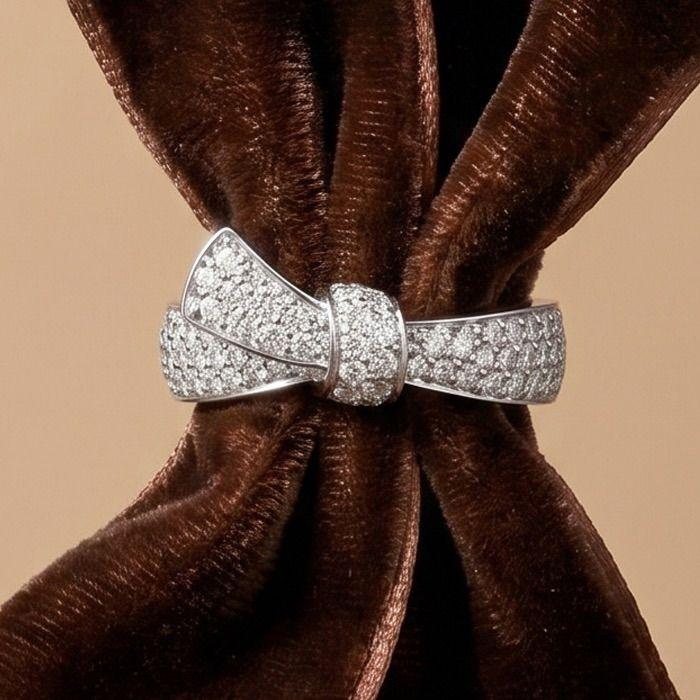
Sterling silver jewelry has a bright, understated finish that suits almost every style. A slim silver ring can look elegant on its own, while a pair of sterling silver earrings can add polish to an everyday outfit without feeling overly formal. Like any frequently worn jewelry, however, sterling silver eventually collects skin oils, makeup, dust, and product residue. It may also develop a dark surface layer known as tarnish.
Fortunately, tarnish does not usually mean that the jewelry is damaged or poorly made. In most cases, careful cleaning can bring back its original shine. The key is to choose a method that cleans the silver without scratching the surface, loosening stones, or removing decorative finishes.
This guide explains how to clean sterling silver jewelry at home, how silver compares with other popular jewelry materials, and what you can do to prevent tarnish from returning too quickly.
What Is Sterling Silver?
Pure silver is beautiful but relatively soft. It can bend or scratch too easily for many everyday jewelry designs. To improve its strength, jewelers combine silver with a small amount of another metal, usually copper.
The added metal makes the jewelry more practical, but it also contributes to tarnishing. Copper can react with moisture and sulfur compounds in the air, gradually creating a dark or dull surface. This natural reaction can happen even when the jewelry is genuine and well cared for.
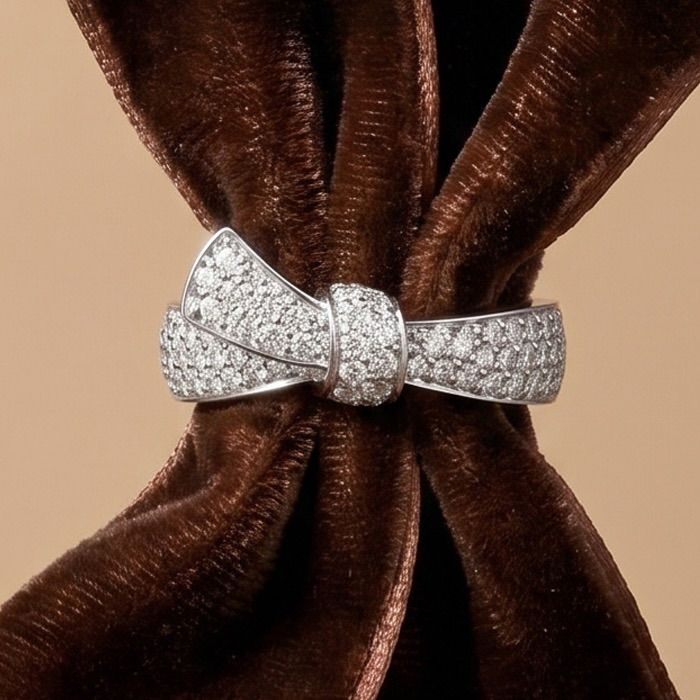
Why Does Sterling Silver Jewelry Tarnish?
Tarnish develops when sterling silver reacts with substances in its environment. Humidity is a common factor, but personal care products and everyday activities can also speed up the process.
Sterling silver may tarnish more quickly after contact with:
- Perfume and hairspray
- Body lotion and sunscreen
- Makeup and skincare products
- Sweat and natural skin oils
- Chlorinated swimming-pool water
- Salt water
- Household cleaning chemicals
- Humid bathroom air
The rate of tarnishing varies from person to person. Body chemistry, climate, storage conditions, and frequency of wear can all affect how quickly silver changes color.
Jewelry that is worn regularly sometimes stays brighter than pieces left untouched for months. Light friction from clothing may gently polish exposed areas. Even so, regularly worn jewelry still needs occasional cleaning to remove oils and residue.
How to Clean Sterling Silver Jewelry with Soap and Water
Warm water and mild dish soap provide the safest starting point for most plain sterling silver jewelry. This method is particularly useful for removing lotion, makeup, fingerprints, and light surface dirt.
What You Will Need
- A small bowl
- Warm water
- Mild, fragrance-free dish soap
- A soft microfiber cloth
- A soft-bristled toothbrush
- A clean towel
Step 1: Prepare the Cleaning Solution
Fill a small bowl with warm water and add two or three drops of mild dish soap. Avoid very hot water, especially if the jewelry contains stones or glued components.
Mix the solution gently. You do not need a large amount of soap, as excess product can leave a film on the jewelry.
Step 2: Soak the Jewelry Briefly
Place plain sterling silver jewelry in the solution for five to ten minutes. A short soak helps loosen oils and residue around chains, clasps, earring backs, and detailed settings.
Do not automatically soak jewelry containing pearls, opals, turquoise, coral, amber, or glued stones. These materials can be sensitive to water and cleaning products.
Step 3: Clean Detailed Areas
Use your fingers or a very soft toothbrush to clean difficult areas. Pay attention to the inside of rings, the backs of earrings, chain links, and the spaces around stone settings.
Use light pressure. Scrubbing harder will not necessarily clean the piece more effectively, but it may leave marks on polished silver.
Step 4: Rinse Thoroughly
Rinse the jewelry with clean, lukewarm water until all soap has been removed. Close the sink drain or place a strainer over it before rinsing small earrings, pendants, or rings.
Soap left on the surface can dry into a dull film, so rinse carefully around clasps and decorative details.
Step 5: Dry and Polish
Pat the jewelry dry with a clean, soft towel. Allow it to finish air-drying in a safe place before storing it.
Once it is completely dry, buff the surface lightly with a microfiber or silver-polishing cloth. This final step removes faint water marks and restores the silver’s natural shine.
How to Remove Tarnish from Sterling Silver
Soap and water are effective for general cleaning, but they may not remove established tarnish. If the jewelry still looks dark after washing, use a cloth made specifically for polishing sterling silver.
Hold the piece securely and rub it with gentle, controlled movements. Work on one small section at a time instead of applying heavy pressure across the entire surface.
The cloth may develop black marks as you polish. This is normal. The marks come from tarnish and surface residue being lifted from the jewelry.
Do not wash a treated polishing cloth unless its care instructions specifically allow it. Washing may remove the polishing agents embedded in the fabric.
For deeply tarnished, antique, or highly detailed jewelry, professional cleaning is a safer choice than repeated aggressive polishing.
Can You Use Baking Soda on Sterling Silver?
Baking soda is frequently suggested as a homemade silver cleaner. It can remove tarnish, but it is also mildly abrasive. A thick paste combined with vigorous scrubbing may leave fine scratches, particularly on smooth or mirror-polished jewelry.
Another popular method involves aluminum foil, baking soda, and hot water. The resulting chemical reaction can reduce tarnish on plain silver, but it is not suitable for every piece.
Avoid this method when jewelry has:
- Pearls or porous gemstones
- Glued decorations
- Silver plating
- Enamel details
- Antiqued or oxidized finishes
- Delicate stone settings
The treatment may remove intentionally darkened details that give a design depth and contrast. When you are unsure how a piece was made, mild soap and a silver-polishing cloth offer a more controlled approach.
How to Clean Sterling Silver Earrings
Earrings often collect more residue than people realize. Foundation, hair products, skin oils, and dust can build up behind decorative fronts and around posts, hooks, and backs.
Begin by wiping the earrings with a soft cloth. If the design is suitable for water, wash the silver portions in a mild soap solution. Use a soft brush around detailed areas, then rinse and dry the earrings completely.
Cleaning makes earrings look better, but cleaning and disinfecting are not necessarily the same process. If earrings have been shared or worn while an ear was irritated, follow suitable hygiene guidance for the complete piece. Alcohol and other strong disinfectants may damage pearls, plated finishes, coatings, or glued stones.
Quality and after-sales support are also worth considering when purchasing earrings. Next Earrings offers Free Shipping, a 60-Day Return policy, and a 1 Year Warranty, giving customers greater flexibility when choosing a new style.
How to Clean Sterling Silver Jewelry with Gemstones
The safest cleaning method depends on the most delicate part of the piece, not only on the silver.
Diamonds, rubies, and sapphires are relatively durable, although their settings still require careful handling. Mild soapy water and a soft brush can usually remove residue from around the stones. Check for movement before and after cleaning. If a stone feels loose, stop wearing the piece and have the setting inspected.
Pearls, opals, turquoise, coral, amber, and certain treated stones require gentler care. They may be porous, soft, or sensitive to chemicals. Instead of soaking the entire piece, use a slightly damp cloth to wipe the silver while keeping moisture away from the stone as much as possible.
Ultrasonic cleaners should not be treated as an all-purpose solution. The vibration may loosen settings or damage certain natural and treated gemstones. If you do not know whether a stone has been dyed, filled, coated, or glued, ask a professional jeweler before using an ultrasonic machine.
Sterling Silver vs. Silver-Plated Jewelry
Sterling silver and silver-plated jewelry can look similar when new, but their construction and long-term care are different.
Sterling silver contains silver throughout the metal. Although it tarnishes, it can generally be cleaned and polished many times. A professional jeweler may also be able to refinish light scratches or repair worn areas.
Silver-plated jewelry has a thin silver layer applied over a base metal such as brass or copper. It can offer the appearance of silver at a lower price, but the outer layer may gradually wear away. Abrasive cleaners and frequent polishing can speed up this process.
Once the base metal becomes visible, ordinary cleaning cannot restore the original surface. The piece may need to be replated. For that reason, silver-plated jewelry should be cleaned with minimal pressure and without abrasive powders.
Sterling silver is usually the stronger choice for jewelry intended for regular, long-term wear. Silver-plated designs can still be attractive, but they require more cautious handling.
Sterling Silver vs. Stainless Steel
Stainless steel is popular for its durability and low-maintenance surface. It generally resists tarnish, water, and everyday scratches better than sterling silver. This makes it practical for people who prefer jewelry that requires very little upkeep.
Sterling silver has a brighter, softer white tone and is classified as a precious metal. It is also well suited to detailed jewelry designs. Its main trade-off is the need for periodic cleaning and polishing.
The better material depends on what the wearer values. Stainless steel offers convenience and strength, while sterling silver provides traditional precious-metal appeal and a finish that can be restored through polishing.
Sterling Silver vs. White Gold
Sterling silver and white gold both have a cool-toned appearance, but they differ significantly in price, construction, and care.
White gold is made by mixing gold with pale-colored alloy metals. Many white gold pieces are then coated with rhodium to create a bright white finish. That coating may wear over time and require professional replating.
Sterling silver is more affordable and does not depend on rhodium plating to maintain its basic color. It tarnishes more readily than white gold, but the discoloration can usually be removed at home.
White gold may suit buyers looking for a higher-value fine jewelry material. Sterling silver is often better for those who want a genuine precious metal at a more accessible price.
What Not to Use on Sterling Silver Jewelry
Some common household products can make silver look cleaner at first while leaving lasting surface damage.
Avoid using:
- Whitening toothpaste
- Bleach
- Chlorine cleaners
- Scouring powders
- Stiff brushes
- Rough paper towels
- Metal cleaning pads
- Undiluted household chemicals
- Boiling water
- Unverified jewelry dips
Toothpaste is one of the most common cleaning mistakes. Many formulas contain abrasive ingredients designed to polish teeth. Those particles may create fine scratches on silver, especially when used repeatedly.
Paper towels and tissues can also be rougher than they appear. A soft microfiber cloth is a better choice for drying and polishing jewelry.
How Often Should Sterling Silver Be Cleaned?
There is no single cleaning schedule that works for every piece. Jewelry worn daily may need a gentle wipe after each use and a more complete cleaning every few weeks. A necklace or pair of earrings worn only on special occasions may need attention less often.
Clean sterling silver when it begins to feel oily, collect visible residue, or lose its brightness. Polish it only when tarnish appears. Excessive polishing is unnecessary and can gradually soften crisp design details.
A practical routine is to wipe the jewelry after wearing it, wash it occasionally with mild soap, and use a polishing cloth only as needed.
How to Prevent Sterling Silver from Tarnishing
Tarnish cannot always be prevented completely, but a few habits can slow it down considerably.
Apply Beauty Products First
Put on lotion, perfume, sunscreen, hairspray, and makeup before wearing jewelry. Give the products time to dry so they are less likely to transfer onto the silver.
Remove Jewelry Before Swimming or Showering
Take off sterling silver before entering a swimming pool, hot tub, or the ocean. Chlorine and salt water may accelerate discoloration and can also affect certain stones and finishes.
Removing jewelry before showering prevents soap, shampoo, and conditioner from building up in small spaces.
Avoid Wearing Silver During Housework
Household cleaners may contain bleach, ammonia, or other strong chemicals. Remove rings and bracelets before cleaning, gardening, or handling chemicals.
Store Pieces Separately
Keep each piece in a soft pouch or a small sealed bag. Separate storage prevents chains from tangling and reduces contact between surfaces that could scratch one another.
Store sterling silver in a cool, dry location rather than an open tray in the bathroom. Anti-tarnish strips can offer additional protection by absorbing compounds that contribute to discoloration.
Always make sure jewelry is completely dry before putting it away.
When Should You Choose Professional Cleaning?
Most everyday sterling silver jewelry can be cleaned at home. Professional care is advisable when:
- A gemstone feels loose
- Tarnish remains after gentle cleaning
- The jewelry has a valuable or antique design
- The surface has deep scratches
- The piece includes delicate or unknown gemstones
- Decorative oxidation must be preserved
- You are unsure whether the jewelry is solid silver or plated
- A clasp, chain, post, or setting needs repair
A jeweler can identify the material, inspect the construction, and select a cleaning method that protects both the silver and any decorative elements.
Frequently Asked Questions About Cleaning Sterling Silver
Can Sterling Silver Get Wet?
Brief contact with clean water is not usually harmful to plain sterling silver. Problems are more likely to arise from prolonged moisture, chlorine, salt, soap residue, or chemicals in the water.
Dry the jewelry thoroughly whenever it gets wet. Pieces containing porous gemstones, glue, or specialty finishes may require additional precautions.
Can I Wear Sterling Silver Every Day?
Sterling silver is suitable for everyday wear, provided it is removed before swimming, strenuous exercise, housework, and activities that could expose it to chemicals or impact.
Daily wear may cause minor scratches over time. These marks are normal and often become part of the piece’s natural appearance.
Does Tarnish Mean Sterling Silver Is Fake?
No. Genuine sterling silver can tarnish because it contains alloy metals that react with the environment. A 925 stamp can be a helpful indicator, although a professional test provides greater certainty when authenticity is in question.
Can Tarnished Sterling Silver Be Restored?
Most surface tarnish can be removed with appropriate cleaning and polishing. Severe discoloration, scratches, worn plating, and damaged finishes may require professional attention.
Should Sterling Silver Be Cleaned with Vinegar?
Vinegar is acidic and may be included in homemade cleaning recipes. While diluted vinegar can affect tarnish, it may not be safe for gemstones, plated components, oxidized details, or adhesives. A mild soap solution is a safer first choice for routine care.
Final Thoughts
Learning how to clean sterling silver jewelry does not require complicated equipment. Warm water, mild dish soap, a soft cloth, and patient handling are enough for most routine cleaning. When tarnish develops, a dedicated silver-polishing cloth can restore the finish without relying on harsh household products.
Pay attention to the complete design before choosing a cleaning method. A technique that works well for a plain sterling silver ring may not be appropriate for earrings with pearls, glued stones, plating, or oxidized details.
Sterling silver needs more care than stainless steel, but it offers the beauty and character of a genuine precious metal at a relatively accessible price. With careful cleaning and dry, separate storage, sterling silver earrings, necklaces, bracelets, and rings can remain attractive for years.
When shopping for a new pair, Next Earrings adds practical support through Free Shipping, a 60-Day Return policy, and a 1 Year Warranty. Together with proper jewelry care, these services can make it easier to choose and enjoy sterling silver earrings with confidence.
 SIMILAR STORIES
-
December Birthstone Jewelry Gift for Her: Meaningful & Beautiful Gift Ideas
Read story -
7 Red Gemstone Wedding Ring Ideas for a Romantic and Unique Look
Read story -
Amethyst Tennis Bracelet Buying Guide: Best Styles, Quality & Shopping Tips
Read story -
Yellow Gemstone Jewelry Set for Wedding: A Beautiful Choice for Your Big Day
Read story -
Blue Sapphire Band Ring vs Diamond Band: Which One Should You Choose?
Read story -

Blue Sapphire Jewelry Trends 2026: Elegant Styles Worth Wearing
Read story -

Small Hoop Earrings for Everyday Wear: Simple, Stylish & Easy to Match
Read story -

Pear Drop Earrings for Weddings: Elegant Styles for Every Bridal Look
Read story -

Jewelry Gift For Her 2026: Stylish Gift Ideas She’ll Love
Read story -
Dainty Pearl Necklace for Everyday Wear: Simple Pearl Styles You’ll Actually Wear
Read story -
What Does a Blue Sapphire Ring Symbolize? Meaning, Love & Popular Styles
Read story -

Cute Necklace Ideas for Women: Pretty Styles You’ll Actually Want to Wear
Read story -

Long Pink Earrings Styling Ideas: From Soft Blush to Bold Statement Looks
Read story -
Blue Sapphire Wedding Band Ideas: Elegant Styles for a Timeless Look
Read story -
Opal Wedding Band for Women: A Romantic Alternative to Traditional Wedding Rings
Read story
 © 2026 Next Earrings All Rights Reserved.