

Minimalist Jewelry: A Thoughtful Approach to Everyday Style
Minimalist Jewelry: A Thoughtful Approach to Everyday Style
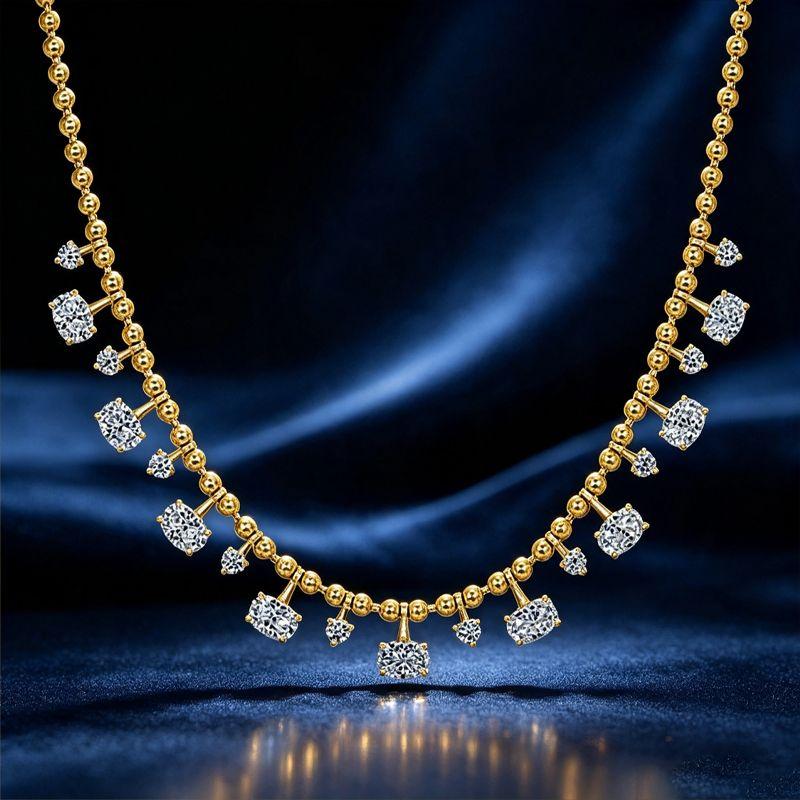
Minimalist Jewelry is often described as simple, but simplicity does not mean a lack of character. A slim ring, a pair of small earrings, or a fine chain can influence an entire outfit without becoming its main focus. These pieces work quietly, adding balance and detail rather than visual weight.
The appeal of minimalist jewelry also comes from its flexibility. Instead of being limited to a particular season or occasion, well-chosen pieces can move easily between workdays, weekends, dinners, and formal events. Their clean forms make them practical, while thoughtful materials and subtle details keep them interesting.
What Defines Minimalist Jewelry?
Minimalist Jewelry usually follows a restrained design language. The shapes are clear, decoration is limited, and each element has a purpose. Common characteristics include:
- Fine chains and narrow bands
- Small hoops, studs, and drop earrings
- Geometric or nature-inspired shapes
- Limited use of gemstones
- Neutral finishes such as gold, silver, and rose gold
- Smooth surfaces with little ornamentation
Not every minimalist piece has to be plain. A tiny irregular pearl, a brushed-metal texture, or an asymmetrical line can introduce personality without making the design feel busy. The distinction lies in how carefully the detail is used.
Why Minimalist Jewelry Fits Everyday Life
Jewelry worn regularly needs to work with different clothes and settings. This is where understated designs have an advantage. A delicate necklace can sit naturally above the neckline of a T-shirt, while the same piece can complement a tailored shirt or evening dress.
Minimalist Jewelry is also easier to coordinate. Since the pieces do not compete heavily with patterns, colors, or other accessories, they can become part of a consistent personal style. This is useful for anyone who prefers a smaller collection made up of pieces that are worn often rather than saved for rare occasions.
Another benefit is comfort. Lightweight earrings, smooth rings, and fine bracelets are generally less distracting during a long day. Comfort still depends on construction, however, so details such as secure clasps, polished edges, and appropriate sizing deserve attention.
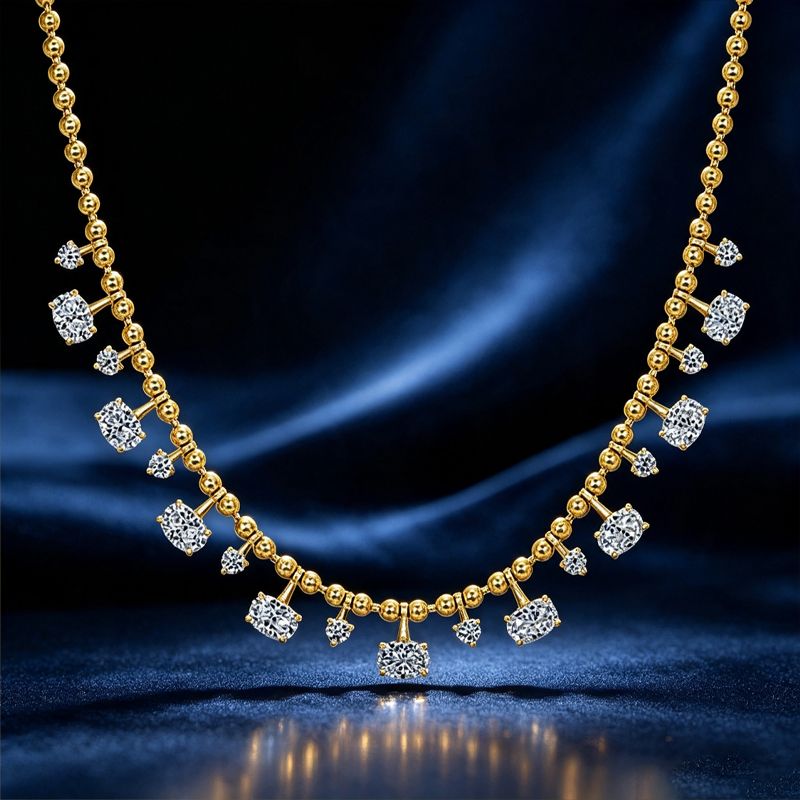
Choosing Materials for Minimalist Jewelry
In a simple design, the material is especially noticeable. When a piece has few decorative elements, its color, surface, and finish become central to its appearance.
Gold and Gold-Tone Finishes
Gold brings warmth to clean designs and pairs naturally with beige, brown, cream, green, and other earthy colors. Solid gold can be suitable for long-term wear, while gold vermeil and gold-plated jewelry offer different price points. Buyers should check the thickness and quality of the coating because plating can gradually wear with frequent use.
Sterling Silver
Sterling silver has a cooler tone and works well with monochrome clothing, denim, and crisp white fabrics. It may tarnish over time, but regular cleaning and proper storage can help maintain its finish. For many people, the changing surface of silver is part of its character rather than a flaw.
Stainless Steel
Stainless steel is valued for durability and relatively easy care. It is often used for sleek, contemporary pieces, particularly hoops, chains, and geometric rings. Its weight and finish can vary, so product specifications remain important.
Pearls and Subtle Stones
Small pearls and low-profile stones can soften a minimalist design. Rather than using a large centerpiece, designers may place a single stone along a fine chain or add a tiny pearl to a simple earring. The result remains restrained while introducing texture and light.
How to Wear Minimalist Jewelry
Minimalist pieces can be worn alone, but they also lend themselves to layering. The aim is not necessarily perfect symmetry. Slight differences in length, texture, or scale often make a combination feel more natural.
Start With One Focal Point
Choose one area to emphasize. If several necklaces are layered, keep the earrings simple. If the earrings have an unusual shape, a plain chain or no necklace at all may create better balance.
Vary the Proportions
When stacking rings, combine narrow bands with one slightly wider design. For necklaces, use different chain lengths so that each piece has space. Earrings can follow the same principle: a small hoop in one piercing may be paired with a tiny stud in another.
Mix Metals With Intention
Gold and silver no longer need to be kept separate. A mixed-metal look can feel cohesive when one finish appears more than once or when a single piece already contains both tones. Repetition makes the combination look considered rather than accidental.
Leave Some Space
Minimalist styling depends as much on what is left out as on what is included. Wearing fewer pieces allows their shapes to remain visible. Empty space around a pendant, ring, or earring is part of the overall composition.
Building a Small, Useful Jewelry Collection
A practical collection does not require many items. A few versatile pieces can cover most daily situations. A balanced starting point might include:
- A pair of small studs or compact hoops
- A fine necklace with or without a small pendant
- A simple ring that can be worn alone or stacked
- A lightweight bracelet or narrow cuff
- One distinctive piece with an unusual line, texture, or stone
Personal habits should guide the selection. Someone who rarely wears necklaces may find more value in two pairs of earrings. A person who works frequently with their hands may prefer earrings and chains over rings or bracelets.
Before buying, it is worth checking measurements rather than relying only on photographs. Hoop diameter, chain length, pendant size, and ring width can look very different when worn. Clear dimensions make it easier to judge whether a piece matches the scale and comfort level you prefer.
Care and Storage
Even understated jewelry needs regular care. Lotions, fragrance, sweat, and household products can affect metal surfaces and gemstones. A few simple habits can help preserve the finish:
- Put jewelry on after applying perfume, cosmetics, or hair products.
- Remove pieces before swimming, showering, or using cleaning chemicals.
- Wipe frequently worn jewelry with a soft, dry cloth.
- Store items separately to reduce scratching and tangled chains.
- Follow material-specific instructions instead of using one cleaner for every piece.
Clasps, posts, and stone settings should also be checked from time to time. Minimal designs may look delicate, but good maintenance can help them remain wearable for years.
What to Check When Shopping Online
Product descriptions should provide more than an attractive image. Look for information about dimensions, base metals, plating, stone type, closure style, and care requirements. Photographs taken from multiple angles are useful for understanding scale and construction.
Delivery, returns, and warranty terms matter as well, particularly when fit or proportion cannot be judged in person. Next Earrings, for example, lists Free Shipping, a 60-Day Return period, and a 1 Year Warranty among its services. Policies like these give shoppers time to assess how a piece looks, feels, and fits into an existing collection. The exact conditions should still be reviewed before ordering.
Customer photographs can offer additional context, although lighting and camera settings may alter the apparent color or size. It is best to compare these images with the listed measurements and material details.
Minimalism as a Personal Choice
Minimalist Jewelry is not governed by a fixed number of pieces or a single aesthetic. For one person, it may mean wearing a plain silver ring every day. For another, it could involve layering several fine gold chains or combining small earrings across multiple piercings.
What connects these approaches is a sense of intention. Each piece earns its place through comfort, meaning, versatility, or visual balance. Rather than following short-lived trends, minimalist jewelry encourages closer attention to proportion, material, and everyday use.
A restrained collection can still evolve over time. Pieces may be added to mark personal events, suit changing routines, or introduce a new texture or metal. The result is not simply less jewelry, but a collection shaped by thoughtful choices and regular wear.
 SIMILAR STORIES
-
December Birthstone Jewelry Gift for Her: Meaningful & Beautiful Gift Ideas
Read story -
7 Red Gemstone Wedding Ring Ideas for a Romantic and Unique Look
Read story -
Amethyst Tennis Bracelet Buying Guide: Best Styles, Quality & Shopping Tips
Read story -
Yellow Gemstone Jewelry Set for Wedding: A Beautiful Choice for Your Big Day
Read story -
Blue Sapphire Band Ring vs Diamond Band: Which One Should You Choose?
Read story -
Blue Sapphire Jewelry Trends 2026: Elegant Styles Worth Wearing
Read story -
Small Hoop Earrings for Everyday Wear: Simple, Stylish & Easy to Match
Read story -
Pear Drop Earrings for Weddings: Elegant Styles for Every Bridal Look
Read story -
Jewelry Gift For Her 2026: Stylish Gift Ideas She’ll Love
Read story -
Dainty Pearl Necklace for Everyday Wear: Simple Pearl Styles You’ll Actually Wear
Read story -
What Does a Blue Sapphire Ring Symbolize? Meaning, Love & Popular Styles
Read story -
Cute Necklace Ideas for Women: Pretty Styles You’ll Actually Want to Wear
Read story -
Long Pink Earrings Styling Ideas: From Soft Blush to Bold Statement Looks
Read story -
Blue Sapphire Wedding Band Ideas: Elegant Styles for a Timeless Look
Read story -
Opal Wedding Band for Women: A Romantic Alternative to Traditional Wedding Rings
Read story
 © 2026 Next Earrings All Rights Reserved.