

How to Clean Gold Jewelry at Home Without Damaging It?
How to Clean Gold Jewelry at Home Without Damaging It?
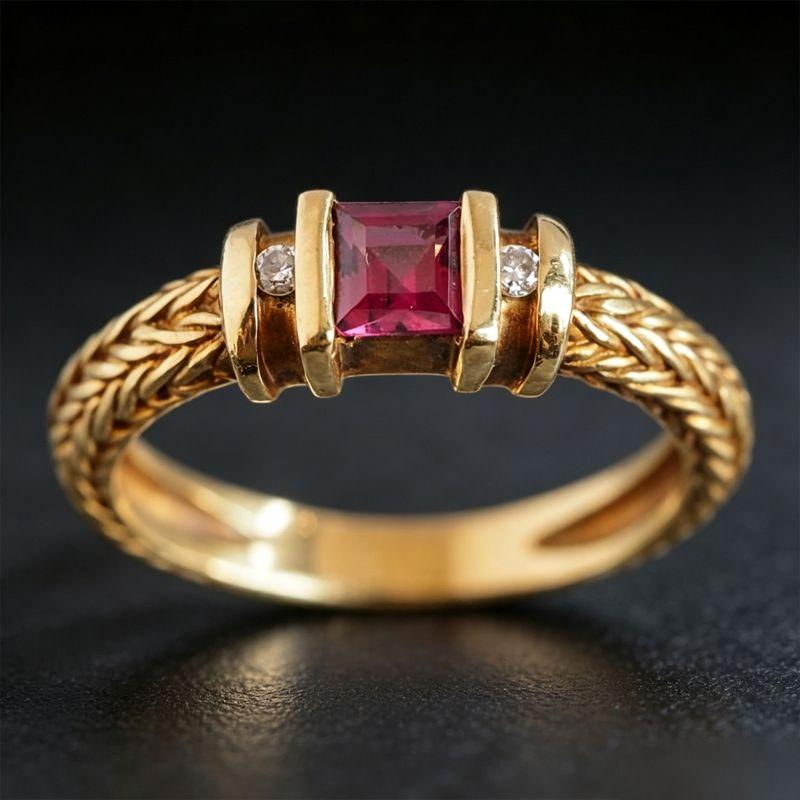
Gold jewelry can lose some of its glow over time. Hand lotion, soap, perfume, skin oils, and everyday dust gradually settle on the surface, making rings, necklaces, bracelets, and earrings look dull. Fortunately, most solid gold pieces can be refreshed at home with a few simple supplies.
Learning how to clean gold jewelry properly is important because the wrong cleaner or technique may scratch the surface, loosen gemstones, or wear away a plated finish. The safest approach depends on whether the piece is solid gold, gold-plated, or set with gemstones.
Why Does Gold Jewelry Become Dull?
Pure gold does not rust, but jewelry is rarely made from pure 24K gold. It is usually mixed with metals such as silver, copper, zinc, or palladium to make it stronger and more suitable for daily wear.
These alloyed metals, along with residue from daily life, can affect the appearance of the jewelry. Common causes include:
- Body oils and perspiration
- Hand cream and sunscreen
- Soap and shampoo residue
- Perfume and hairspray
- Dust trapped around settings
- Chlorine and household chemicals
A regular cleaning routine helps prevent heavy buildup and keeps gold looking polished without the need for aggressive products.
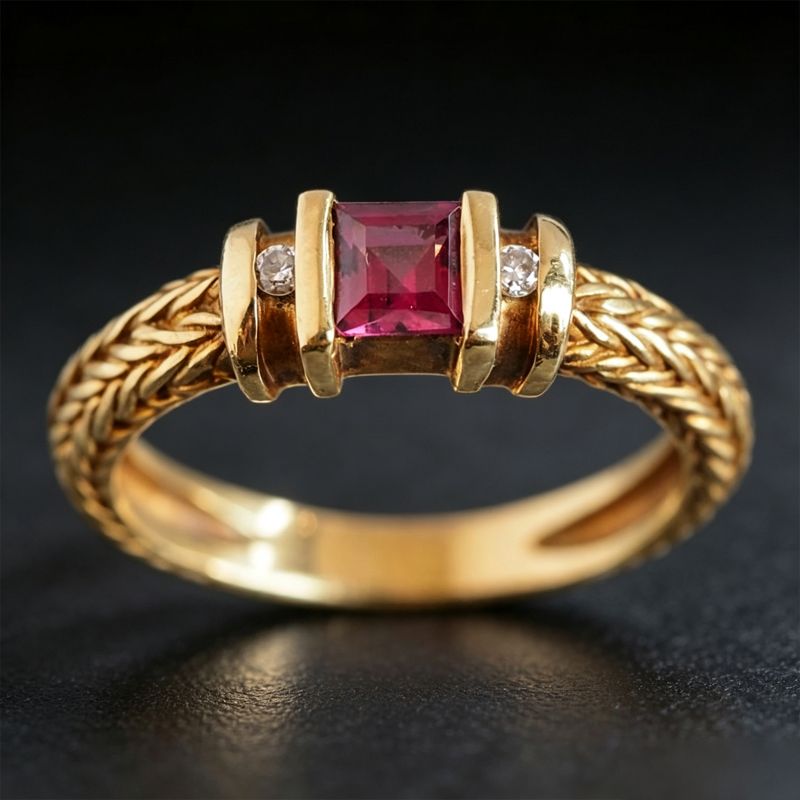
What You Need to Clean Gold Jewelry
You do not need a specialized cleaning machine for basic gold jewelry care. Prepare the following items:
- A small bowl
- Lukewarm water
- Mild, fragrance-free dish soap
- A very soft toothbrush
- A soft microfiber or lint-free cloth
- A clean towel
Avoid using a stiff brush or rough paper towel. Gold is a relatively soft metal, especially in higher-karat jewelry, and an abrasive surface can leave fine scratches.
How to Clean Gold Jewelry Step by Step
1. Check the Jewelry Before Cleaning
Inspect the piece under good lighting. Look for loose stones, damaged clasps, lifted prongs, cracks, or areas where plating appears thin.
If a gemstone moves when touched or the setting looks damaged, do not soak or scrub the jewelry. Take it to a professional jeweler for inspection first.
2. Prepare a Mild Cleaning Solution
Fill a small bowl with lukewarm water and add a few drops of mild dish soap. Mix gently until the soap is evenly distributed.
The water should feel warm rather than hot. Sudden temperature changes may affect certain gemstones, while very hot water can also weaken adhesive used in some jewelry designs.
3. Soak the Gold Jewelry
Place plain solid gold jewelry in the solution for approximately 10 to 15 minutes. This gives the soapy water time to loosen oils and dirt around links, clasps, and decorative details.
Do not leave gold-plated jewelry soaking for a long period. Extended soaking and repeated exposure to cleaning products may shorten the life of the plated finish.
4. Brush the Jewelry Gently
Use a soft toothbrush to clean the piece with light, controlled strokes. Pay particular attention to:
- The back of earrings
- The inside of rings
- Necklace clasps
- Bracelet links
- Areas underneath gemstones
- Engraved or textured details
Avoid pressing hard. If dirt does not come away easily, allow the piece to soak for a few more minutes instead of scrubbing more aggressively.
5. Rinse Carefully
Rinse the jewelry with clean lukewarm water to remove any remaining soap. Use a second bowl rather than rinsing directly over an open sink. Small earrings, charms, and rings can slip easily from wet fingers.
If you choose to rinse over a sink, close the drain securely beforehand.
6. Dry and Polish the Jewelry
Place the jewelry on a clean towel and gently pat it dry. Allow it to air-dry completely before storing or wearing it.
Once dry, lightly buff the surface with a microfiber or lint-free cloth. This removes water marks and restores the natural shine without abrasive polishing products.
How to Clean Different Types of Gold Jewelry
Not every gold piece should be cleaned in exactly the same way. Its finish, construction, and gemstones all matter.
How to Clean Solid Gold Jewelry
Solid gold is generally suitable for the mild soap-and-water method. Yellow gold, white gold, and rose gold can all be cleaned this way if they do not contain delicate stones.
White gold is often coated with rhodium to create a bright white finish. If it begins to appear slightly yellow even after cleaning, the issue may be worn rhodium plating rather than dirt. A jeweler can restore the coating.
How to Clean Gold-Plated Jewelry
Gold-plated jewelry requires a lighter touch because only a thin layer of gold covers the base metal.
Use a damp, soft cloth with a tiny amount of diluted mild soap. Wipe the piece gently, remove the soap with another clean damp cloth, and dry it immediately. Avoid soaking, vigorous brushing, polishing compounds, and frequent rubbing.
How to Clean Gold Earrings
Earrings collect oils, hair products, and residue around their posts and backs. Clean these small areas with a soft brush dipped in mild soapy water.
Dry the posts and backs completely before wearing the earrings again. Cleaning the surface may improve appearance, but it does not replace appropriate disinfection when hygiene or an irritated piercing is a concern.
How to Clean Gold Chains
Fine chains can knot or stretch if handled roughly. Place the chain flat in the cleaning solution and move it gently through the water. Use a soft brush only on sturdy links and around the clasp.
After rinsing, lay the chain straight on a towel to dry. Do not pull the chain through a polishing cloth, as this can place unnecessary pressure on delicate links.
How to Clean Gold Rings
Rings tend to collect lotion and soap underneath the setting and along the inside of the band. Soaking followed by gentle brushing usually removes this buildup.
For rings worn every day, inspect the prongs while cleaning. A loose or raised prong should be repaired before the ring is worn again.
How to Clean Gold Jewelry with Gemstones
Gold jewelry containing gemstones needs extra care. Diamonds, sapphires, and rubies are generally durable, but they can still have loose settings or special treatments.
Soft or porous gemstones—including pearls, opals, turquoise, coral, and emeralds—may be damaged by soaking, chemicals, heat, or vigorous brushing. For these pieces, wipe the gold carefully with a slightly damp cloth while avoiding the gemstone as much as possible.
Jewelry that uses adhesive-set stones should not be soaked. Water may weaken the glue and cause a stone to fall out. When you are uncertain about the setting or gemstone treatment, professional cleaning is the safer choice.
What Should You Avoid When Cleaning Gold?
Many popular household cleaning tips are harsher than they appear. Avoid using:
- Toothpaste
- Baking soda paste
- Bleach
- Chlorine
- Acetone
- Strong detergents
- Abrasive metal polish
- Rough brushes or scouring pads
- Boiling water
Toothpaste and baking soda can create tiny scratches. Chlorine may weaken gold alloys, particularly when jewelry is exposed repeatedly. Strong chemicals may also damage plating and permanently affect delicate gemstones.
Ultrasonic cleaners should be used with caution. Their vibrations can loosen stones, disturb fragile settings, and damage some treated or included gemstones. A professional jeweler should confirm whether a piece is suitable before ultrasonic cleaning.
How Often Should You Clean Gold Jewelry?
Gold jewelry worn regularly can usually be cleaned at home every few weeks. Pieces worn only for special occasions may need cleaning every few months or before storage.
A quick wipe with a soft cloth after wearing helps reduce the need for frequent deep cleaning. Professional inspection once or twice a year is worthwhile for valuable pieces, gemstone rings, and jewelry with intricate settings.
How to Keep Gold Jewelry Clean for Longer
A few daily habits can make a noticeable difference:
- Apply perfume, lotion, and hairspray before putting on jewelry.
- Remove gold jewelry before swimming or using a hot tub.
- Take rings off before cleaning, gardening, or handling chemicals.
- Avoid wearing delicate pieces during intense exercise.
- Store each item separately in a soft pouch or lined compartment.
- Make sure jewelry is completely dry before storing it.
- Keep chains fastened to reduce tangling.
Gold pieces should not be stored in a loose pile. Contact with other jewelry can cause scratches, tangled chains, and damaged settings.
When Does Gold Jewelry Need Professional Cleaning?
Home cleaning is useful for routine maintenance, but it cannot correct every problem. Consult a professional jeweler if:
- A stone feels loose
- A clasp or prong is damaged
- The jewelry has deep scratches
- White gold needs rhodium replating
- A plated finish is wearing away
- The piece contains delicate or unidentified gemstones
- Dirt remains trapped inside a complex setting
- The jewelry is antique or particularly valuable
Professional care may include cleaning, polishing, stone tightening, repair, and finish restoration. Polishing removes a very small amount of metal, so it should not be performed too frequently.
Choosing Gold Jewelry That Is Easy to Care For
Well-made jewelry is generally easier to maintain because secure settings, smooth surfaces, and dependable clasps reduce the places where dirt can collect. When shopping for earrings or other everyday pieces, consider whether the design suits your routine as well as your style.
Next Earrings offers jewelry supported by practical customer benefits, including Free Shipping, a 60-Day Return policy, and a 1 Year Warranty. These services provide added reassurance when choosing a new piece for daily wear, a gift, or a special occasion.
Frequently Asked Questions About Cleaning Gold Jewelry
Can I clean gold jewelry with dish soap?
Yes. A few drops of mild dish soap mixed with lukewarm water are suitable for many solid gold pieces. Avoid formulas containing bleach, strong fragrances, moisturizers, or abrasive ingredients.
Can I use toothpaste to clean gold jewelry?
No. Toothpaste is abrasive and may leave small scratches on gold, plating, or polished gemstones.
Does vinegar damage gold jewelry?
Pure solid gold is chemically resistant, but jewelry often contains alloyed metals, plated finishes, and gemstones that may react differently. Mild soap and water are a safer choice for routine cleaning.
Can I clean gold jewelry with baking soda?
Baking soda is abrasive and is not recommended for routine gold jewelry cleaning. It may scratch polished surfaces and wear down gold plating.
How can I make gold jewelry shine again?
Wash suitable solid gold jewelry in lukewarm water with mild dish soap, rinse it thoroughly, dry it completely, and buff it gently with a microfiber cloth. If the dull appearance remains, professional polishing or replating may be required.
Is it safe to soak gold jewelry overnight?
No. A 10- to 15-minute soak is usually enough for plain solid gold. Long soaking periods may affect plated jewelry, delicate stones, or adhesive-set designs.
Why does my gold jewelry still look dull after cleaning?
The surface may be scratched, the plating may be worn, or white gold may need fresh rhodium plating. These issues cannot be corrected through washing alone.
Final Thoughts
Knowing how to clean gold jewelry helps preserve its shine while preventing unnecessary damage. For most plain solid gold pieces, lukewarm water, mild dish soap, a soft brush, and careful drying are all that is needed.
The key is to identify the type of jewelry before cleaning it. Treat gold-plated pieces gently, avoid soaking delicate gemstones, and never rely on abrasive household remedies. With sensible cleaning, careful storage, and occasional professional inspection, gold jewelry can remain bright and wearable for years.
 SIMILAR STORIES
-
December Birthstone Jewelry Gift for Her: Meaningful & Beautiful Gift Ideas
Read story -
7 Red Gemstone Wedding Ring Ideas for a Romantic and Unique Look
Read story -
Amethyst Tennis Bracelet Buying Guide: Best Styles, Quality & Shopping Tips
Read story -
Yellow Gemstone Jewelry Set for Wedding: A Beautiful Choice for Your Big Day
Read story -
Blue Sapphire Band Ring vs Diamond Band: Which One Should You Choose?
Read story -
Blue Sapphire Jewelry Trends 2026: Elegant Styles Worth Wearing
Read story -

Small Hoop Earrings for Everyday Wear: Simple, Stylish & Easy to Match
Read story -

Pear Drop Earrings for Weddings: Elegant Styles for Every Bridal Look
Read story -

Jewelry Gift For Her 2026: Stylish Gift Ideas She’ll Love
Read story -
Dainty Pearl Necklace for Everyday Wear: Simple Pearl Styles You’ll Actually Wear
Read story -
What Does a Blue Sapphire Ring Symbolize? Meaning, Love & Popular Styles
Read story -

Cute Necklace Ideas for Women: Pretty Styles You’ll Actually Want to Wear
Read story -
Long Pink Earrings Styling Ideas: From Soft Blush to Bold Statement Looks
Read story -
Blue Sapphire Wedding Band Ideas: Elegant Styles for a Timeless Look
Read story -
Opal Wedding Band for Women: A Romantic Alternative to Traditional Wedding Rings
Read story
 © 2026 Next Earrings All Rights Reserved.