

How to Choose a Blue Sapphire Band Ring That You’ll Actually Love Wearing
How to Choose a Blue Sapphire Band Ring That You’ll Actually Love Wearing
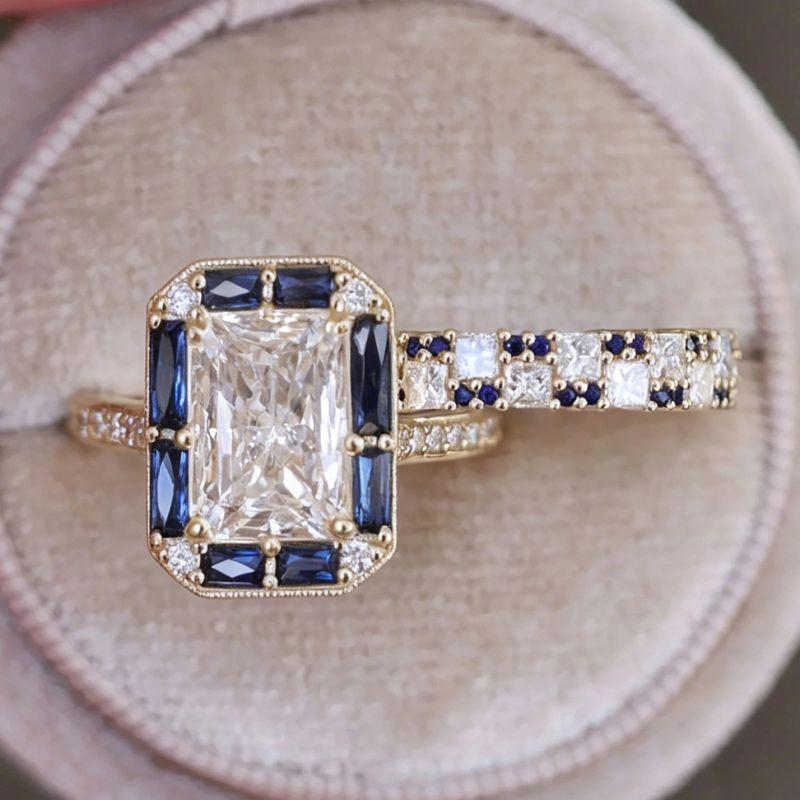
A blue sapphire band ring has more personality than a plain metal band, yet it remains easy to wear. It can mark an anniversary, complement an engagement ring, represent a September birthday, or simply add color to an everyday jewelry stack.
When learning how to choose a blue sapphire band ring, look beyond the first product photo. The shade of blue matters, but so do the cut, stone matching, setting quality, and comfort of the band.
Begin with the Shade of Blue
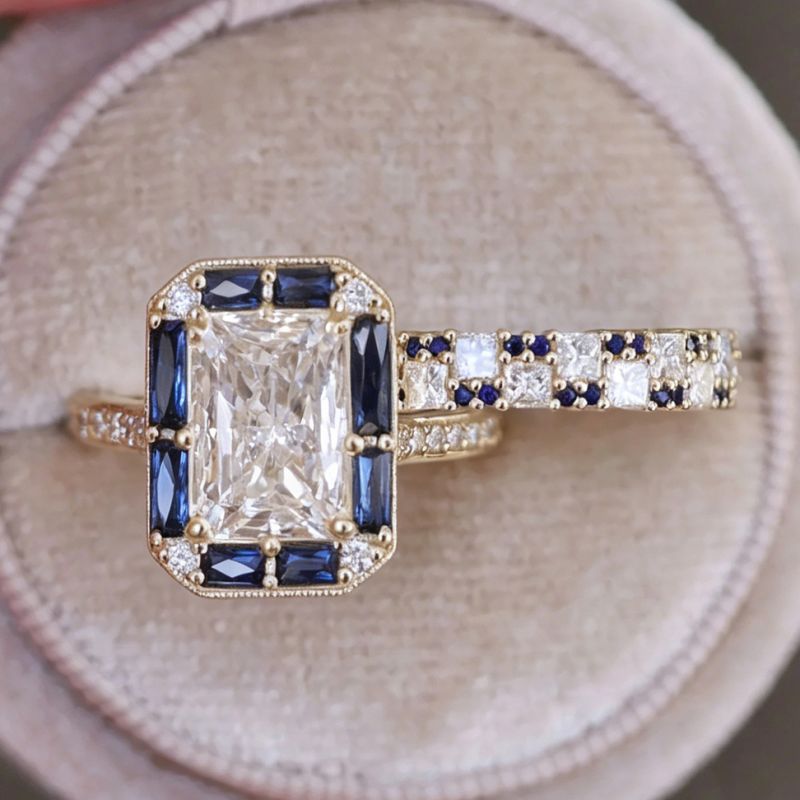
Blue sapphires are not limited to one standard color. They may appear soft cornflower blue, vivid royal blue, inky navy, or slightly violet-blue.
A darker sapphire is not automatically better. Stones that are too dark can look almost black indoors. Very pale sapphires may be attractive but will have a softer presence on the hand.
Try to choose a blue that stays lively in different lighting. Product videos and daylight photographs are particularly helpful when shopping online.
What to Look for in a Multi-Stone Band
Color matching becomes more important when several sapphires sit next to one another. The stones do not need to be identical, but they should look balanced in:
- Color depth
- Saturation
- Brightness
- Shape and size
One noticeably pale or dull sapphire can interrupt the flow of the entire band.
Do Not Judge a Sapphire by Clarity Alone
Natural sapphires often contain tiny internal marks. In the jewelry trade, these characteristics are known as inclusions. Their presence does not necessarily mean the gemstone is poor quality.
What matters is whether the sapphire looks bright and attractive without magnification. Avoid stones that appear heavily clouded or have obvious fractures reaching the surface.
For a band ring, consistent color and sparkle across the row are often more noticeable than microscopic clarity differences.
Choose a Cut That Suits the Design
The cut affects both the sapphire’s brightness and the overall character of the ring.
Round-Cut Sapphires
Round sapphires create a classic, evenly spaced look. They work especially well in slim stacking bands and traditional anniversary rings.
Oval-Cut Sapphires
Oval stones have a larger visual spread and bring a softer, more elegant shape to the band. They are a good choice when you want more visible blue without an overly wide ring.
Emerald-Cut Sapphires
Emerald cuts have broad, step-like facets and a clean architectural appearance. Because the stone’s interior is easier to see, even color and good clarity become more important.
Baguette and Princess-Cut Sapphires
These geometric cuts suit contemporary rings. They can form a nearly continuous line of blue, but precise cutting and careful stone matching are essential.
Pay Attention to the Setting
A setting should hold each sapphire securely without making the band uncomfortable.
Prong Setting
Prongs leave more of the gemstones visible and can give the ring a brighter appearance. Check that the prongs are smooth, even, and firmly positioned.
Channel Setting
Channel-set sapphires sit between two metal borders. The smooth surface is practical for frequent wear and offers added protection around the stones.
Bezel Setting
A bezel wraps metal around each sapphire. It creates a clean, modern finish and is a sensible option for anyone with an active lifestyle.
Pavé Setting
Pavé bands use many small sapphires placed close together. The effect is rich in color, though the tiny settings may need occasional inspection by a jeweler.
Match the Metal to the Sapphire
Metal color changes the way a blue sapphire appears.
- White gold gives the ring a crisp, cool finish.
- Platinum feels substantial and is well suited to long-term wear.
- Yellow gold creates a warm contrast with rich blue stones.
- Rose gold gives the design a softer and less traditional character.
Also consider maintenance. White gold may need replating over time, while platinum naturally develops a soft patina. Gold is generally lighter on the finger.
Full Eternity or Half Eternity?
A full-eternity band carries sapphires around the entire finger. It looks luxurious from every angle, but it can be difficult to resize. Stones on the underside of the ring are also more exposed to daily knocks.
A half- or three-quarter-eternity band places the gemstones mainly across the visible part of the finger. This style is usually more comfortable, easier to resize, and better protected during everyday use.
If your ring size may change in the future, a partial sapphire band is often the safer choice.
Check How the Ring Feels
A beautiful ring will spend more time on your hand than in its box, so comfort deserves attention.
Check the band’s width, thickness, and height. The edges should feel smooth, and the setting should not rub against neighboring fingers.
If you plan to wear it beside an engagement ring, look closely at how the two rings meet. A raised or exposed sapphire setting may scratch the other ring if the designs are not compatible.
Ask About Sapphire Treatments
Heat treatment is common in the sapphire industry. It is used to improve color or clarity, and a heat-treated sapphire can still be a natural gemstone.
Other treatments, including diffusion and fracture filling, may affect the stone’s value and care requirements. A trustworthy seller should clearly disclose known treatments.
For a valuable ring, ask whether an independent gemological report is available. The report may confirm the gemstone’s identity and treatment status, although it cannot tell you whether a particular shade is the right one for you.
Choose for the Way You Live
The best design depends on how often you expect to wear it.
For daily wear, a low-profile bezel or channel setting offers useful protection. For an anniversary ring, a half-eternity design balances symbolism with practicality. Larger oval or emerald-cut sapphires suit buyers who want the ring to stand out on its own.
Think about your usual clothing, other jewelry, and daily routine. A delicate pavé band may suit office wear, while a more protected setting could be better for an active schedule.
Review the Buying Terms
Online images cannot fully show the weight, fit, or true color of a gemstone ring. A flexible return policy gives you time to examine the piece under natural and indoor light.
Next Earrings offers Free Shipping, a 60-Day Return policy, and a 1 Year Warranty. Before ordering, check the current sizing, return, and warranty conditions that apply to your purchase.
Mistakes Worth Avoiding
When choosing a blue sapphire band ring, avoid:
- Buying based only on edited studio photographs
- Assuming the darkest sapphire is the finest
- Ignoring color differences between neighboring stones
- Choosing a full-eternity band without considering resizing
- Overlooking treatment information
- Selecting a raised setting for an active lifestyle
- Focusing on gemstone size while ignoring craftsmanship
A ring with smaller, evenly matched sapphires and secure settings can look more refined than one with larger but poorly coordinated stones.
Final Advice
Understanding how to choose a blue sapphire band ring comes down to balance. Look for a blue you enjoy in different lighting, stones that match well, a setting suited to your routine, and proportions that feel comfortable on your hand.
The right ring does not need to have the largest sapphires or the highest price. It should look considered, feel secure, and remain enjoyable long after the first impression.
Frequently Asked Questions
Is a blue sapphire band suitable for everyday wear?
Yes. Sapphire measures 9 on the Mohs hardness scale and is suitable for regular wear. The ring should still be protected from heavy impact and checked if a stone begins to move.
Which blue sapphire color is best?
There is no single best shade. Many buyers prefer a vivid medium to medium-dark blue because it remains colorful in different lighting, but the final choice is personal.
Are dark blue sapphires more valuable?
Not necessarily. If a sapphire is too dark to show its blue color and brightness, it may be less desirable than a slightly lighter, livelier stone.
Can a sapphire eternity band be resized?
A full-eternity band is usually difficult to resize because stones surround the entire ring. Half- and three-quarter-eternity designs offer greater flexibility.
Should every sapphire in the band be identical?
Exact matches are rare in natural gemstones, but the sapphires should appear harmonious in color, size, cut, and brightness.
Are heat-treated sapphires real?
Yes. A heat-treated sapphire can still be natural. The treatment should be disclosed so buyers understand what they are purchasing.
 SIMILAR STORIES
-
December Birthstone Jewelry Gift for Her: Meaningful & Beautiful Gift Ideas
Read story -
7 Red Gemstone Wedding Ring Ideas for a Romantic and Unique Look
Read story -
Amethyst Tennis Bracelet Buying Guide: Best Styles, Quality & Shopping Tips
Read story -
Yellow Gemstone Jewelry Set for Wedding: A Beautiful Choice for Your Big Day
Read story -
Blue Sapphire Band Ring vs Diamond Band: Which One Should You Choose?
Read story -
Blue Sapphire Jewelry Trends 2026: Elegant Styles Worth Wearing
Read story -
Small Hoop Earrings for Everyday Wear: Simple, Stylish & Easy to Match
Read story -
Pear Drop Earrings for Weddings: Elegant Styles for Every Bridal Look
Read story -
Jewelry Gift For Her 2026: Stylish Gift Ideas She’ll Love
Read story -
Dainty Pearl Necklace for Everyday Wear: Simple Pearl Styles You’ll Actually Wear
Read story -
What Does a Blue Sapphire Ring Symbolize? Meaning, Love & Popular Styles
Read story -
Cute Necklace Ideas for Women: Pretty Styles You’ll Actually Want to Wear
Read story -
Long Pink Earrings Styling Ideas: From Soft Blush to Bold Statement Looks
Read story -
Blue Sapphire Wedding Band Ideas: Elegant Styles for a Timeless Look
Read story -
Opal Wedding Band for Women: A Romantic Alternative to Traditional Wedding Rings
Read story
 © 2026 Next Earrings All Rights Reserved.